
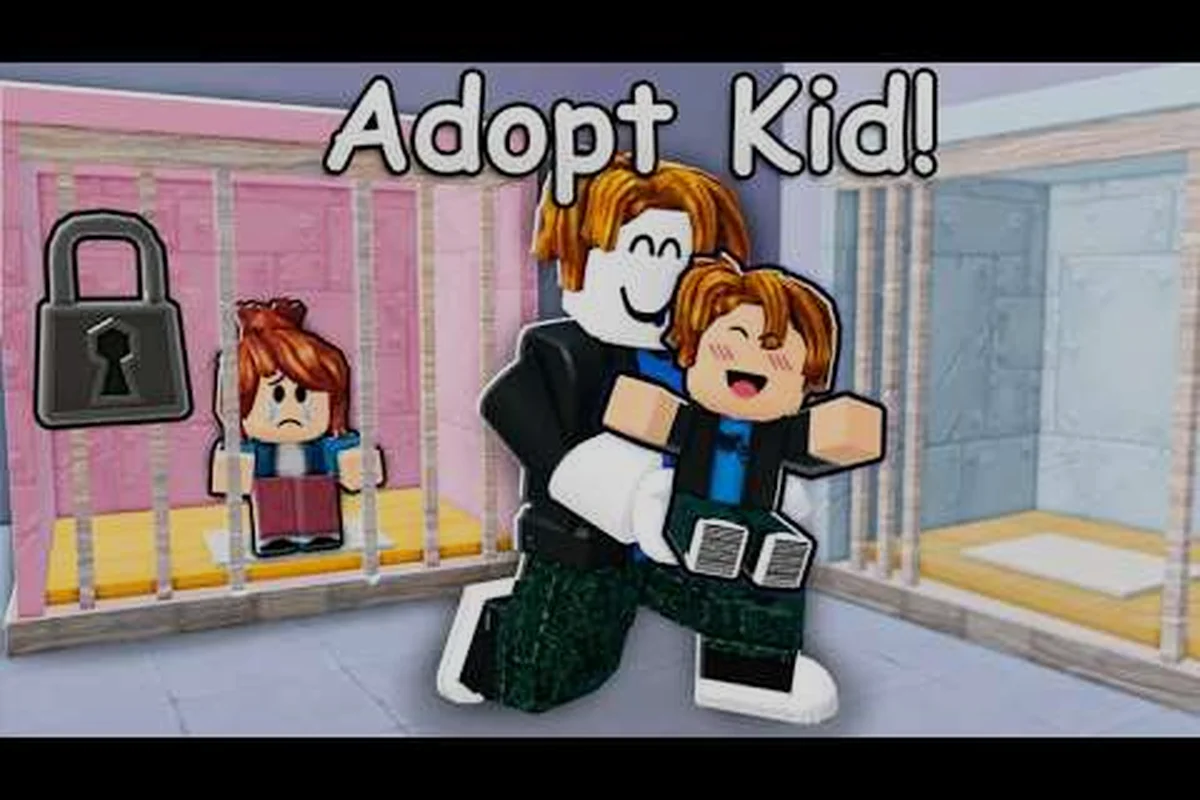
Raise The Biggest Family video ideas can turn ordinary roleplay sessions into memorable stories about adoption, siblings, and rebuilding a household. Creators can structure a family challenge around a social game, such as assigning each member a secret role, household budget, or care responsibility, then filming how those choices affect the family’s shared goals. Solo play can support the same storyline through character decisions, dialogue choices, and consequences that reveal how one child’s actions change the household dynamic. A simple adoption scenario, for example, becomes more distinctive when each character has a different need and the family must balance supplies, trust, and responsibilities instead of simply completing a checklist of chores.
Start With a Relationship
Strong videos begin with a relationship, not a checklist of tasks. A new parent arriving with a nervous child, an older sibling taking responsibility, or a household learning to share space already creates tension that viewers can follow. The best Raise The Biggest Family video ideas combine a simple goal with a visible consequence: someone joins the family, a room must be reorganized, or siblings disagree about what their home should become.
Core Story Formula
A compact story works best when it has four parts: a character wants something, another family member complicates the plan, the family tries a solution, and the ending shows how the relationship changed. You can apply that formula to adoption, sibling chores, birthdays, moving days, and neighborhood visits without relying on complicated editing.
| Story element | Example premise | Emotional focus | Best video length |
|---|---|---|---|
| New arrival | A shy child joins the household | Trust and belonging | 6–10 minutes |
| Sibling conflict | Two children claim the same room | Fairness and compromise | 8–12 minutes |
| New responsibility | An older child helps with chores | Growth and trust | 5–8 minutes |
| Household rebuild | The family prepares a welcome space | Care and teamwork | 7–11 minutes |
| Celebration | The family plans a birthday surprise | Appreciation and connection | 6–9 minutes |
Choose one emotional focus before filming. If a video tries to cover an adoption, a birthday, a disagreement, and a house renovation, each moment will feel brief. A focused episode can still begin and end with the same family, which makes it easier for viewers to understand what changed.
Build Around a Milestone
Milestones give a video a natural beginning and ending. The opening can establish the family’s current routine, while the ending shows the result of the challenge. This works well for first-day stories, adoption celebrations, birthdays, and family portraits. Players who are still learning the basic systems can consult the Raise The Biggest Family beginner guide before recording, which helps reduce interruptions caused by unfamiliar controls.
A useful milestone structure includes four beats, each with a distinct editing target: establish the household routine, mark the change that disrupts it, follow the family’s attempt through roleplay and gameplay, and land on a visible result. For example, a first-day story can move from preparing breakfast to meeting the new child, then show the family solving a household problem before the final portrait. This clear cause-and-effect arc turns ordinary Raise The Biggest Family play into a focused episode and gives creators natural pause points for captions, camera changes, and explanatory edits.
-
Before: Introduce the household and the problem in one or two sentences.
-
Inciting moment: Introduce the child, event, or change that disrupts the routine.
-
Attempt: Show the family solving the problem through roleplay and gameplay.
-
After: Highlight the new routine, improved relationship, or final emotional beat.
This format turns Raise The Biggest Family family story ideas into episodes rather than unedited play sessions. In a milestone edit, use each caption to identify the household goal, add a short family-reaction clip after the change, and reserve the clearest camera angle for the visible result. Because roleplay decisions and gameplay consequences carry the story, cutting repeated menu navigation, idle movement, or routine actions keeps viewers focused while still explaining how the family reached its new routine.
Raise The Biggest Family Family Story Ideas by Format
The format you choose should match the energy of your family. A staged challenge works for active creators, while a narrative episode works better when the creator wants to emphasize relationships and conversation. A collection format is especially useful because it can show several mini-stories without forcing them into one long storyline.
Challenge Episodes
Challenge episodes give the video an active goal and a visible deadline. Assign roles before filming: one parent coordinates, one child handles a task, and another family member creates friendly complications. The goal does not need to be difficult; it simply needs to produce decisions and reactions.
| Challenge | Setup | Complication | Suggested ending |
|---|---|---|---|
| Welcome-home room | Prepare a room for a new child | Missing decorations or furniture | Family reveals the finished space |
| Chore swap | Each child handles another person’s job | One task is unexpectedly harder | Everyone acknowledges the effort |
| Meal surprise | Prepare a family meal | Timing or ingredient problems | Family shares the result |
| Sibling rescue | Help a younger sibling complete a goal | A shortcut creates trouble | Older sibling offers a solution |
| Neighborhood delivery | Take a special item to another household | Wrong destination or missing item | Recipient reacts to the delivery |
These concepts work well as Raise The Biggest Family family roleplay challenge episodes because each one has rules, stakes, and a clear reveal. Keep the rules visible at the start so viewers can follow the outcome, and let the roleplay characters make mistakes rather than presenting a perfectly staged performance.
Narrative Episodes
Narrative episodes are best for adoption stories, sibling bonds, and quiet moments around the home. Start with a clear problem, such as a child who feels ignored or a family preparing for an important arrival. The gameplay should support the emotion rather than interrupt it.
Try these Raise The Biggest Family family story ideas, using each character’s home life to create a focused narrative episode with a clear emotional arc. For example, build a story around sibling jealousy by showing a child earning a new privilege, then showing the sibling’s reaction through a joint task that resolves the conflict. Pair each story with a specific goal, meaningful dialogue, and a visible consequence so the ending feels earned rather than random.
-
A child refuses to join a family outing until a sibling proves they will be included.
-
A parent attempts to create a special room but discovers the child prefers a different activity.
-
Two siblings secretly prepare gifts for a parent without revealing what they bought.
-
A new family member helps complete a household task but learns the rules along the way.
-
A family tries to recreate a favorite memory and invents a new tradition instead.
For more scenario-based approaches, the Raise The Biggest Family Roblox roleplay guide offers a useful foundation for organizing character goals and keeping multiple participants involved. Turn one narrative problem into a shared roleplay objective with three checkpoints: establish each character’s private motivation, schedule a cooperative task, and resolve the tension through a choice that changes the family’s next interaction. For example, in a sibling-jealousy episode, assign one player the new privilege and another the responsibility of planning a joint activity; the resolution should reward communication rather than simply cancel the privilege. This structure keeps the story active while ensuring every participant has a distinct role and a clear consequence.
Raise The Biggest Family Social Features and Group Dynamics
Social videos work best when each character has a different role and a reason to speak. In a Raise The Biggest Family social game session, assign roles before recording and give each person one objective that only they can pursue. This prevents the cast from clustering around the same task and makes the resulting footage easier to follow.
Assign Roles That Create Interaction
The most entertaining group scenes come from contrasting priorities. A responsible sibling can focus on cleaning, while a playful child repeatedly diverts the plan. A caring parent can notice emotional changes, and an energetic friend can turn an ordinary errand into an adventure.
| Role | Objective | Source of comedy or tension | Question to ask the character |
|---|---|---|---|
| Planner | Organize the family activity | Others change the plan | “What must happen first?” |
| Helper | Complete assigned tasks | The task proves confusing | “Who needs help now?” |
| Newcomer | Learn the household routine | Familiar members disagree | “What feels unfamiliar?” |
| Rebel | Try a different approach | Rules create delays | “Why not try it my way?” |
| Supportive friend | Encourage another character | The group becomes distracted | “What would make this easier?” |
These roles produce social stories without requiring aggressive behavior. They also expose the game’s family-oriented structure in a way that viewers can understand. If you are developing a group format, the Raise The Biggest Family roleplay guide includes useful considerations for playing with friends and coordinating participation.
Capture Relationships Instead of Only Activities
A complete task is less memorable than the moment around it. Capture the request, the hesitation, the attempt, and the reaction. If one character asks another to help, keep the camera on both characters for the request, then briefly switch to the task before returning for the answer.
Good social footage also depends on sound and framing. Position players so eye lines and gestures are visible, pause after important dialogue, and use captions for quick exchanges. Reactions, interruptions, and mistakes often create the strongest clips because they make the family feel spontaneous rather than staged.
Raise The Biggest Family Solo Play Video Concepts
Solo play can still produce a rich family story by giving each avatar a distinct point of view. The player controls the action, but the surrounding family members can provide reactions, requests, and changing expectations. This is where Raise The Biggest Family solo play videos can stand apart from ordinary gameplay recordings.
Use the Player as Story Manager
Treat yourself as the organizer of a household where every character has needs. One child may want attention, another may be ready for a task, and a parent may be focused on another duty. Record your decisions and reactions so viewers understand why you chose one activity over another.
| Solo concept | Player objective | Story progression | Best presentation |
|---|---|---|---|
| One week as a parent | Balance family responsibilities | Each task reveals a different relationship | First-person commentary |
| New sibling day | Guide a child through the home | Confidence grows after each task | Split-screen reactions |
| Room makeover | Create a better shared space | Family preferences conflict | Before-and-after edit |
| Big sibling responsibility | Complete chores for younger characters | Trust changes over the session | Milestone montage |
| Family history | Revisit meaningful household moments | The player connects them into one story | Voice-over narrative |
A solo creator should narrate decisions and assumptions rather than repeating what the interface already shows. Saying “I thought the younger child needed a quiet activity, but the older sibling wanted to help” gives viewers context and turns routine play into a story with perspective.
Edit Around Emotional Changes
Begin with a short statement of the family’s situation, then let the main challenge unfold. The edit should highlight emotional changes: excitement at a successful task, frustration when plans change, or tenderness when a character receives help. End with a reflection that names what the family achieved.
A simple six-part editing pattern works well: let each segment carry one job, from the family goal to the main character, first obstacle, player decision, mood or trust change, and final result. For example, a solo creator could open on saving enough money for a family outing, show the player’s first work shift failing because a cost is miscalculated, then cut to the decision to postpone a purchase. That setback creates visible stakes, while the later reflection can emphasize how the family adapted through roleplay rather than merely completing a checklist. This structure gives Raise The Biggest Family family story ideas a clear emotional arc without requiring every NPC to appear onscreen.
-
Open with the family goal.
-
Introduce the main character in one sentence.
-
Show the first obstacle.
-
Focus on the player’s decision.
-
Highlight a change in mood or trust.
-
Close with the result and a brief reflection.
This approach makes Raise The Biggest Family video ideas suitable for creators who do not have a full cast. A strong solo episode can feel personal, thoughtful, and complete even when most characters are controlled by the game. For example, you can stage one family roleplay challenge around earning money for a shared outing, then alternate between the player’s solo attempts and short NPC reactions that reveal tension, disappointment, or renewed trust. If the first work shift fails because a necessary expense was miscalculated, preserve that setback in the edit and show how the player adapts before resolving the family goal. This turns Raise The Biggest Family solo play into a focused character story rather than a series of disconnected tasks, while the NPC-driven responses still provide the social context that makes Raise The Biggest Family social game footage feel active.
Rule, Role Reversal, and Conclusion
A family roleplay challenge works best when it combines a rule, a role reversal, and a memorable conclusion. The rule guides the episode, the reversal produces conflict, and the conclusion gives the participants a reason to reflect on what happened.
Theme-Based Challenge Set
Use one prompt to produce several episodes by giving each installment a different family relationship or task as its narrative focus. For example, an adoption-themed set could move from meeting a new child and settling into a shared household routine to navigating a lost favorite item, preparing a surprise, or negotiating bedtime boundaries. This structure keeps the family roleplay challenge connected while making every episode feel distinct.
| Prompt | Family roleplay challenge | Main lesson |
|---|---|---|
| First day | The new child meets the household | Belonging grows through routine |
| Lost favorite item | Siblings search instead of blaming each other | Cooperation solves confusion |
| Special delivery | The family prepares a surprise | Effort matters more than perfection |
| Guest visit | The household hosts another family | Preparation reveals family rules |
| Bedtime protest | One child refuses the evening routine | Boundaries can be negotiated |
| Big helper | A young character attempts a difficult task | Praise should match effort |
Before testing a new scenario, check the Raise The Biggest Family multiplayer roleplay guide for practical approaches to organizing group sessions. The best challenge rules are simple enough that every participant understands them immediately.
Make the Rules Visible
State the challenge before the action begins, and let viewers hear the objective in plain language. Examples include “Complete three household tasks without leaving the room,” “Prepare a surprise with one missing item,” or “Switch character roles halfway through the episode.” These rules are easy to understand and create a natural deadline.
A challenge does not need to rely on competition. Cooperation can provide more drama when one character wants to follow the rule exactly, another interprets it differently, and the rest of the family must reconcile the disagreement. The strongest challenge videos reveal character personalities through those different interpretations.
Build a Repeatable Series Format
A recognizable series format gives each “raise the biggest family” video a clear promise before the story begins: show the title card, reuse the same introduction, and close with a consistent ending ritual. For example, an episode could begin with the family choosing one role, reveal the task or social game, and end with a scoreboard comparing each player’s result. This consistency helps viewers understand the format while leaving room for a new challenge, roleplay scenario, or family conflict in every episode.
Possible series include “First Day at Home,” “The Family Challenge,” “One Task, Three Personalities,” and “What Would You Choose?” Each episode should still have its own distinct conflict, because relying on the same ending or same family conflict can quickly become predictable.
Filming and Editing Workflow for Raise The Biggest Family
A workable workflow keeps the creative ideas visible without sacrificing the pace of the session. Prepare the narrative, assign roles, record reactions, and edit only after the session. This approach prevents camera management from taking attention away from the roleplay itself.
Pre-Session Checklist
-
Write the central goal and ending before inviting players.
-
Give each participant a role, objective, and personality trait.
-
Choose a location that supports the story’s practical needs.
-
Decide which moments must appear in the finished video.
-
Start recording before the opening line so early reactions are preserved.
-
Keep spare camera angles available when possible.
| Production stage | Time before filming | Creator responsibility | Common problem prevented |
|---|---|---|---|
| Concept | 15–20 minutes | Define goal, conflict, ending | Vague episodes |
| Casting | 10 minutes | Assign contrasting roles | Similar personalities |
| Setup | 5 minutes | Position players and check recording | Missing reactions |
| Filming | Session length | Capture dialogue and task attempts | Repetitive footage |
| Review | 20–30 minutes | Mark strong moments and key dialogue | Losing story beats |
| Editing | 1–3 hours | Build a clear beginning, middle, and ending | Overlong or confusing episodes |
Community gameplay can help creators identify the kinds of family moments worth preserving. This Raise the Biggest Family gameplay video by Mr Red Dangerous is a verified example, although it is community gameplay rather than an official trailer, so it should be treated as an informal reference for presentation and player behavior.
Make Every Edit Serve the Story
Cut repeated actions, silent setup, and moments that do not change the emotional direction. Keep the first clear statement of the goal, one important obstacle, a meaningful reaction, and the ending. If a scene contains useful dialogue but slow movement, a cutaway can preserve the joke without making the episode feel unfinished.
Use captions for relationships and objectives, but do not overload the screen. Give important dialogue time to land, and cut before a reaction becomes repetitive. A useful pacing test is to watch the video without sound: if the action and framing still communicate the family’s goal, the edit probably works.
Developing Your Video Series
The strongest Raise The Biggest Family video ideas combine recognizable family moments with a specific twist. Choose the emotion first, assign roles second, and decide how the family changes before pressing record. That sequence keeps a video focused even when the game offers many activities and social interactions.
Community gameplay examples can provide useful visual references, while community reports about memorable character interactions can inspire scenarios. Always test uncertain mechanics and claims against current in-game behavior, because updates may alter menus, interactions, or available activities. The reference video mentioned earlier is a practical example of player-created content, not proof of an official feature set.
A sustainable publishing plan alternates formats. Pair a narrative episode with a challenge episode, then follow both with a shorter compilation or character-focused clip. This keeps the channel varied while maintaining a recognizable focus on family relationships. The Raise The Biggest Family kid-friendly roleplay overview offers additional context for choosing age-appropriate scenarios and presentation choices.
Frequently Asked Questions
What makes a Raise The Biggest Family video idea work for viewers?
A strong video idea has a clear family goal, a character-driven obstacle, and a visible outcome. Viewers should understand what the family wants within the opening minute, and the ending should show what changed. A simple challenge often works better than a long collection of unrelated activities because the story remains easy to follow.
How can I make Raise The Biggest Family family story ideas more emotional?
Focus on decisions, reactions, and relationships rather than trying to script every spoken line. Show a character making an effort, struggling with uncertainty, and receiving recognition afterward. Short pauses, visible reactions, and captions for important exchanges can make quiet moments more impactful without excessive editing.
Is Raise The Biggest Family solo play suitable for storytelling videos?
Yes, because the player can act as a parent or older sibling while other family members create requests and reactions. Narrate why you choose particular tasks, introduce a clear goal, and show how the family’s mood changes. The Raise The Biggest Family roleplay guide can help you plan character perspectives before filming.
What should a Raise The Biggest Family family roleplay challenge include?
The challenge should include one clear rule, a meaningful obstacle, and a final reveal. Give each participant a different role so the group has reasons to communicate and disagree. Cooperative challenges often create more natural humor and emotional moments than competitions because every character contributes to the same household outcome.
Are Raise The Biggest Family social features useful for video creators?
They can support channel interactions and group content, but the core presentation still depends on communication, distinct roles, and a story arc. Use social tools to arrange sessions or share updates, while structuring each episode around character goals. This approach keeps the video understandable even when viewers have not played the game themselves.