
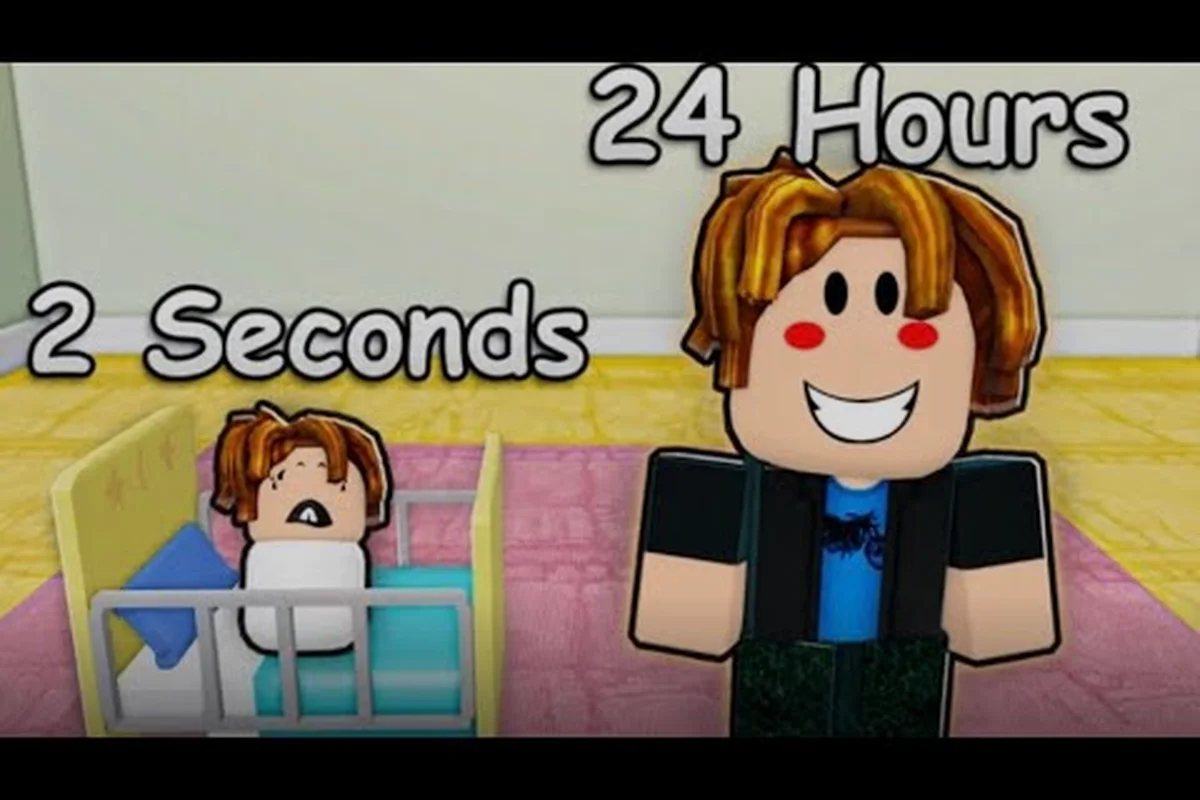
Raise The Biggest Family Roblox roleplay works best when every player contributes to one believable household story. The game supports 18-player servers, making shared care tasks and family events more engaging than working alone. Use these scenarios to build teamwork, humor, and memorable routines.
Shared Premise, Tone, and Rhythm
The official Raise The Biggest Family game page describes an 18-player family life simulator where players can create households, care for children, and build stories together. That server capacity makes Raise The Biggest Family Roblox roleplay especially suitable for large families, but filling every slot requires clear roles and objectives rather than several unrelated conversations.
18-player server capacity is the key constraint behind every successful scenario. A group needs enough characters for parents, children, older relatives, and visitors without making every task feel crowded. Good Raise The Biggest Family roleplay ideas divide the group into small units with one shared objective, then let each unit contribute a scene or responsibility.
| Group element | Recommended role | Main contribution |
|---|---|---|
| Two or three players | Household coordinators | Set plans and assign care tasks |
| Four to six players | Parents and older children | Manage meals, cleaning, and guidance |
| Six to nine players | Younger family members | Explore, play, and create comic mishaps |
| Two to four players | Visitors or relatives | Deliver news, gifts, or unexpected problems |
Building a shared family premise
Start by choosing one premise that everyone can understand in a sentence. “We are moving into a new home,” “Our oldest child is preparing for a school event,” and “The family is reopening a neglected neighborhood house” all create clear goals. These premises produce Raise The Biggest Family roleplay stories because every action supports a recognizable beginning, middle, and resolution.
Assign players before beginning the main activity. Keep one story coordinator, but avoid making that player responsible for every decision. Coordinators manage time, announce transitions, and confirm which tasks are finished, while the rest of the household chooses how its members solve problems.
Matching the tone to the server
Some groups enjoy chaotic comedy, while others prefer a calm family routine. Decide on the tone before opening a task, because changing it repeatedly can make roleplay feel unpredictable rather than spontaneous. The beginner roleplay guide offers additional ways to organize introductions and make new players feel included.
| Tone | Best scenarios | Roleplay tips | Likely challenge |
|---|---|---|---|
| Heartwarming | Shared meals, room decoration, celebrations | Give each player one caring task | Avoid making every scene sentimental |
| Comedic | Pranks, cooking failures, lost pets | Preserve the setup and payoff | Avoid random disruption without a purpose |
| Dramatic | Moving, adoption, family conflict | Agree on boundaries and tone | Keep conflicts fictional and respectful |
| Creative | Talent show, museum, family business | Assign imaginative but simple jobs | Prevent the group from splitting too many ways |
Establishing a simple rhythm
A dependable rhythm prevents large-server roleplay from becoming a collection of disconnected actions. Use three phases: prepare, respond, and resolve. Preparation might mean shopping for supplies or cleaning a room. The response phase introduces a problem, and the resolution shows what the family learned or changed.
This structure works with the game’s family simulator format because care actions remain connected to a larger family purpose. It also gives less experienced players simple entry points. A new player can prepare food, comfort a character, or carry an item without needing to invent the entire household history.
Turning Actions Into Shared Outcomes
Large family servers need activities that turn separate player actions into a shared outcome. The strongest Raise The Biggest Family family roleplay ideas give every household member a dependency: one person prepares, another cleans, another solves a problem, and the rest support the effort. Cooperation then emerges from the activity instead of being demanded through constant instructions.
The new-home transformation
Everyone begins with a home that needs work. Divide the house into functional zones, assign two players per zone, and give each pair a distinct result. One pair handles the kitchen, another the play area, while another prepares a shared family display. Players should narrate what they are doing so others can respond naturally.
Use a small progress board to prevent duplicated work and show which areas are finished. Assign one status to each zone—such as Messy, In Progress, or Ready—so players can quickly claim jobs and reveal problems before the family meal. For example, the kitchen pair can mark the counters clean while the play-area pair creates a shared family display, giving the final celebration a clear visual record of the house’s transformation without requiring a complicated plot.
| Phase | Family activity | Player role | Story beat |
|---|---|---|---|
| Start | Inspect the messy house | Identify the biggest problem | The family sees the task together |
| Middle | Clean, cook, and decorate | Share supplies and solve issues | A minor surprise changes the plan |
| Finish | Prepare the first meal | Use the improved home | The family celebrates its progress |
The family café challenge
The café scenario divides the household into cooking, service, cleaning, and customer-care teams. Members can switch roles after a task, which prevents rigid job assignments. A player can begin as a cook, then help a customer when the dining room becomes busy.
For a more elaborate structure, introduce one changing condition, such as an arriving guest with a special request. The kitchen must adapt while the service team keeps the atmosphere positive. This creates opportunities for humor, negotiation, and visible teamwork rather than repetitive waiting.
The school event rehearsal
Create an event that every age group can contribute to. Younger characters can arrange decorations or practice a simple performance, while older family members handle invitations, supplies, transportation, and encouragement. The event does not need competitive minigames to be engaging because the drama comes from preparation.
A useful plot device is a missing prop. Several players search the house, one person finds a surprising substitute, and the family decides whether it fits. The replacement becomes a memorable detail in later Raise The Biggest Family roleplay stories, especially if a photograph or decoration reflects the improvised solution.
The neighborhood celebration
Give the family one goal, such as preparing a reunion table, a talent show, or a care package for neighbors. Divide the work into preparation, entertainment, and support roles. Visitors can represent community members, while family members provide supplies or organize the event.
This scenario works particularly well in an 18-player server because it creates subgroups that naturally meet again. A practical guide to Roblox family games with friends can help families compare similar social experiences when they want a change of pace.
Coordinating 18 People
Coordinating 18 people requires more than assigning household titles. Every player needs a clear invitation, a meaningful task, and enough information to understand what happens next. These practices make Raise The Biggest Family roleplay with friends smoother because players can contribute immediately without waiting for the host to explain every detail.
Preparing the group before joining
Send a short message that states the server capacity, chosen premise, starting location, and expected length. Players should know whether the session focuses on a short activity, a full household story, or a series of short scenes. Include any accessibility preferences or communication boundaries before the session begins.
The official listing identifies the experience as a family simulator with 18-player servers, so plan for a substantial group rather than assuming a small sandbox. Players who enjoy organized social sessions can also review group activities for this game before settling on a format.
Using roles without forcing stereotypes
Household roles should create purpose, not trap players in fixed personalities. A parent might organize meals, but the character can also dislike cooking or want a different job. An older child may handle planning while a younger player takes charge of decorations. Flexibility produces more believable households and prevents roleplay from feeling like a checklist.
| Role | Main responsibility | Secondary choice | Best scene type |
|---|---|---|---|
| Household planner | Sets priorities | Helps with tasks | Moving or special events |
| Caregiver | Handles practical needs | Comforts characters | Illness, meals, bedtime |
| Narrator | Connects actions into a story | Introduces relatives | Reunions and surprises |
| Explorer | Finds resources and locations | Reports discoveries | Search and preparation |
| Comedian | Creates light complications | Supports the resolution | Pranks and celebrations |
Keeping conversations readable
Large chat windows can make it difficult to know which conversation matters. Use character names at the beginning of important lines, pause side conversations during major announcements, and ask one player to recap the current family goal at natural transition points. These techniques preserve player agency without requiring strict turn-taking.
Short roleplay exchanges work best when they include an action and a reaction. Instead of merely stating that dinner is ready, describe the smell, the tension, and the character who responds. This level of detail creates a scene that others can enter without requiring a formal script.
Handling new and returning players
Place one experienced player near each new player for the opening scene. The pair can complete a simple task together before joining a larger event. Give returning players one responsibility that depends on an earlier action, which reconnects them with the household instead of dropping them into an unfamiliar storyline.
When younger players share the household, keep communication direct and frame conflicts around boundaries, responsibilities, and consequences rather than mature themes. For example, a sibling forgetting to feed the family’s pet can lead to a short chore-focused repair scene instead of an argument. Curiosity-driven tasks, pet care, meal preparation, room chores, birthdays, and family celebrations create believable roleplay momentum while keeping every scene suitable for the server’s age mix.
Stakes, Choices, and Consequences
A scenario becomes memorable when it has stakes, choices, and a consequence. These elements prevent the family from repeating the same actions while allowing each participant to shape the result. The following Raise The Biggest Family roleplay scenarios are designed around the social and care activities identified on the official game page, without assuming unverified minigames, currencies, or progression systems.
A household facing a schedule mix-up
Everyone believes the family has a different plan for the day. One player prepared a picnic, another organized a home project, and another expected relatives to arrive. Rather than selecting a winner immediately, have the characters discover the conflict and negotiate a revised schedule.
The coordinator can limit the solution to three workable choices: preserve the picnic, complete the home project, or prioritize the relatives’ visit. Players should compare needs, vote, and then bargain over details such as who handles each task or which activity can happen in a shorter form. For example, the picnic group could prepare food while another player starts the project and the host rearranges the relative visit. This works because every character contributes information, and the resolution demonstrates how a large family handles competing needs.
The surprise care handoff
A family member unexpectedly needs help with a basic household task. Players split into small groups to gather supplies, prepare a suitable space, and keep everyone comfortable. The key conflict is timing: one group finishes early, so it must decide whether to wait or begin another useful job.
Useful outcomes in this surprise care handoff can include a rearranged room, a handmade welcome sign, or a carefully prepared meal, with each group choosing a task that visibly improves the home. For example, one group could clear the bedroom and organize the bed while another prepares a simple meal and places it at the family table. The exact rewards are not the point; the emotional value comes from players noticing that someone needed help and responding as a family, turning an ordinary household task into a memorable family roleplay moment.
The missing household mascot
A pet, toy, or keepsake has been misplaced. Players search different areas and receive incomplete clues. Each group reports what they found, allowing the household to combine the evidence. The final discovery should depend on at least two players noticing separate details.
This scenario works well because searching is simple, while interpretation creates teamwork. It also offers a flexible objective for servers that prefer light roleplay over elaborate family drama: players can search rooms such as the kitchen, bedroom, or yard, compare incomplete clues, and nominate a suspect without needing a rigid narrative. For example, a clue found near the dining table could be combined with a second clue about furniture color to identify the misplaced keepsake. The format suits Raise The Biggest Family roleplay sessions because it gives players clear tasks, encourages communication, and can be adjusted to fit a short family roleplay or a longer co-op investigation.
The family business pitch
The household decides to launch a tiny business such as a bakery, garden stand, or craft table. Groups prepare the product, decorations, customer greeting, and quality check. Players can invent the business identity together, but each team should receive a manageable task.
| Scenario element | Active task | Cooperation requirement |
|---|---|---|
| Product | Prepare and present items | Use materials prepared by another team |
| Presentation | Create signs and decorations | Agree on a shared theme |
| Customers | Welcome fictional visitors | Adapt the pitch to different preferences |
| Review | Inspect the finished result | Combine feedback into one decision |
The time-limited home rescue
A surprise event gives the household limited time to complete several chores before guests arrive. Each player chooses a task, but certain tasks unlock others. For example, one area must be cleared before supplies can be moved into it, or a meal needs ingredients collected by another group.
Keep the timer visible and do not add arbitrary penalties. The tension should come from coordination, because rushing creates mistakes that the family can solve together. Players who enjoy additional server activities can compare other Roblox life simulators after finishing the scenario.
Why Consistent Storytelling Wins
Consistent storytelling matters more than dramatic volume. The best Raise The Biggest Family roleplay tips help players remember names, build on previous choices, and turn chores into meaningful family moments. Use these techniques to reduce repetitive actions while keeping the tone light and welcoming.
Create memorable character details
Give each character one recognizable trait: a favorite food, an unusual sleep habit, a pet, a talent, or a persistent worry. A trait should create choices rather than consume attention. If one character is nervous about meeting relatives, the player might prepare a welcome gift, rehearse an introduction, or hide until the doorbell rings.
Track these details in the server’s chat or notes. When a trait returns later, it becomes a payoff. This is one of the simplest ways to develop Raise The Biggest Family roleplay stories without requiring every player to write long speeches.
Turn repeated tasks into family rituals
A routine becomes meaningful when players add a small twist. Breakfast might include a seat assignment based on the night’s events, or bedtime might feature a family story about the day’s smallest triumph. Keep the changes modest so the routine remains recognizable.
| Routine | Standard action | Story enhancement | Player benefit |
|---|---|---|---|
| Breakfast | Prepare and serve food | Each person contributes one ingredient | Encourages exchange |
| Cleaning | Divide household zones | Hold a friendly inspection | Creates gentle competition |
| Free time | Play together | Trade roles for one activity | Reveals new personalities |
| Evening | Gather before bed | Share one achievement | Ends on connection |
Balance participation and spotlight time
Watch for quiet players and overconfident narrators. Give quiet players a task that reveals personality rather than merely filling silence, and ask confident players to leave room for responses. Rotate formal roles such as event host, delivery person, or cleanup captain so authority is shared.
The 20-second pause is a useful technique in Raise The Biggest Family roleplay: after a major reveal or request, allow players time to react before the next action. For example, after someone proposes a family challenge or discovers a hidden twist, count 20 seconds before responding so the player can adjust their roleplay, ask a follow-up question, or build a reaction with their character. This spacing encourages natural conversation, keeps dialogue from becoming moderator-led, and gives quieter players room to contribute without forcing an immediate response.
Preserve continuity across sessions
End each major scenario with a clear status: what the family completed, what remains unresolved, and which relationship changed. When the group returns, mention that status during the opening scene. Even a two-sentence recap can reconnect players to earlier choices.
These continuity notes make a Raise The Biggest Family Roblox roleplay feel like an evolving campaign rather than a one-session gathering. Tracking completed chores, unresolved goals, family relationships, money, and reputation gives the host a ready premise for the next scenario—for example, a family business can recover lost funds while a sibling conflict develops after a disputed decision. That foundation lets new players join without forcing everyone to restart, while also giving future Raise The Biggest Family family roleplay ideas room to branch naturally.
Stories From Ordinary Family Activity
A strong story emerges from ordinary family activity. The game provides a setting for care, home life, and relationships; the players provide motives, complications, and emotional responses. These frameworks for Raise The Biggest Family roleplay stories keep the focus on cooperation instead of forcing unrelated events into the same household.
The empty chair at breakfast
One family member is absent, and the table has an extra place setting. Players disagree about where that person is and whether to keep the chair empty. The story does not need a hidden monster or elaborate mystery; the emotional uncertainty is enough.
One character can prepare the usual meal, another sets the extra plate, and a third searches the house. The resolution may reveal that the missing relative is simply delayed, visiting a friend, or helping another household. The lasting detail is the family’s decision about the empty chair.
The cake that cannot be eaten
The family prepares a celebration cake, but one player invents a harmless reason why it cannot be served. A dietary restriction, a burned edge, or a surprise mix-up gives the household a problem to solve. Players can adjust the plan by cutting the cake, preparing another dish, or changing the celebration format.
Let several interpretations coexist briefly so the roleplay can test each family member’s reasoning instead of resolving the cake issue instantly. For example, one player may insist that a burned edge makes the cake unsafe, another may argue that it can be trimmed, and a third may suggest replacing it with cupcakes. Once the family votes, the discarded solution can return as a running joke in later scenes, such as repeated claims that the cupcakes are “the safer option.” This recurring callback gives the Raise the Biggest Family roleplay continuity, turning a small celebration decision into a memorable family story rather than a forgotten plot point.
The neighbor’s runaway pet
A neighbor asks the family to help retrieve a runaway pet. This scenario gives every player a natural task and allows the pet to act as a moving connection between subgroups. Players must report clues, guide the animal safely, and decide whether the hiding place should become a temporary family responsibility.
The family time capsule
Each character contributes an object, drawing, note, or object with a story behind it. The group chooses a location and prepares to hide it for a future visit. Players can disagree about what should be included, what should remain private, and whether the capsule should be opened immediately.
This premise creates several smaller story beats without abandoning the main goal, giving each character a personal memory to contribute while the household prepares the time capsule. For example, one player can defend a drawing from being included, another can argue for a private note to remain sealed, and a third can suggest adding a wrapped snack for a future family visit. Those choices can turn the time capsule into a collaborative roleplay scene rather than a simple hiding task, while the concluding session resolves the disagreement and gives the family a lasting memory together.
| Story frame | Opening problem | Mid-story choice | Resolution |
|---|---|---|---|
| Empty chair | A family member is missing | Wait, search, or deliver food | The family learns where to go next |
| Uneaten cake | The celebration food is unusable | Replace, reshape, or share it | The celebration continues in a new form |
| Runaway pet | The animal leaves home | Divide clues and protect the pet | A new care arrangement is agreed |
| Time capsule | The family cannot agree on contents | Include, remove, or seal items | The capsule becomes a lasting memory |
Frequently Asked Questions
What makes Raise The Biggest Family Roblox roleplay work for 18 players?
Large groups work best when every person belongs to a small team with a shared task and a clear result. Give the household one premise, assign roles that can change, and use prepare, respond, and resolve phases. This structure prevents separate conversations while allowing each player to influence the family story.
What are good Raise The Biggest Family family roleplay ideas for beginners?
Beginner-friendly ideas include preparing a first meal, transforming a new home, running a family café, or searching for a missing pet. Keep the conflict gentle and the goals visible. Each activity should include tasks such as preparing supplies, caring for another character, cleaning, or organizing a celebration.
How can players make Raise The Biggest Family roleplay with friends less chaotic?
Agree on a tone, assign one coordinator, and divide the server into small teams. Use character names for important announcements and pause after major reveals. Players should also record the current family goal and unresolved details so everyone can reconnect after a scene change or return visit.
Which Raise The Biggest Family roleplay scenarios create the best stories?
Stories work best when ordinary activities carry an emotional consequence. A missing family member, a ruined celebration cake, a runaway pet, and a disagreement over a time capsule each create choices without complicated requirements. The strongest outcome changes a relationship, routine, or family responsibility.
What are useful Raise The Biggest Family roleplay tips for long sessions?
Rotate hosts, rotate chores, and give every player one character detail that can return later. Keep a short continuity note covering completed tasks, new relationships, and unresolved problems. These habits make a long session coherent while ensuring that active players do not carry the entire performance.