
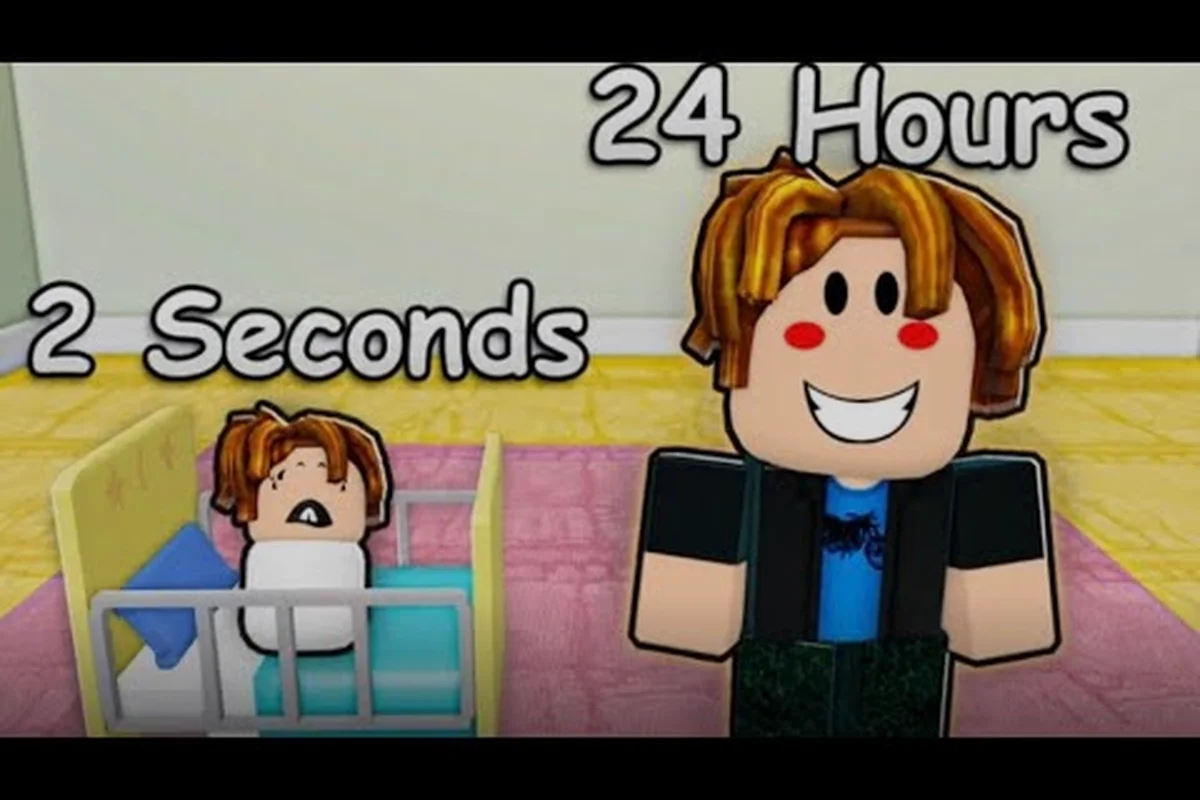
Raise The Biggest Family first hour guide: focus first on reaching approval and completing your first adoption, because progression slows if money, reputation, and family needs compete for attention. Use early cash on essential upgrades, check the adoption requirements before committing to a dependent, and prioritize high-need family members; for example, choosing food or care over a cosmetic item prevents need decay from interrupting income and approval tasks. This first-hour approach turns the Roblox game mechanics into a steady step-by-step route toward faster family growth.
What to Accomplish in Your First Hour
Your first hour sets the pace for the adoption process, so learning the objectives before you rush through dialogue saves time and prevents avoidable backtracking. This Raise The Biggest Family first hour guide focuses on the practical route from initial approval to settling a child at home.
The safest starting plan is to complete the required approval sequence, gather what the adoption center asks for, handle the interview, and return home before experimenting with optional activities. Exact labels and prompts may vary by version, so treat the Approval Route, Home Readiness, and First Daily Task as functional checkpoints rather than fixed button names.
| Priority | Objective | Why it matters | Recommended action |
|---|---|---|---|
| 1 | Complete approval | Unlocks the adoption process | Speak with the required contact and follow prompts |
| 2 | Review requirements | Prevents failed preparation attempts | Record each requested item or condition |
| 3 | Attend the interview | Advances the candidate toward placement | Select consistent, family-appropriate answers |
| 4 | Prepare the home | Creates a stable environment for the child | Complete essential household needs first |
| 5 | Begin daily care | Establishes a sustainable routine | Handle the highest-priority task immediately |
Start With the Approval Route
Open the interface that presents your approval status and identify the next available action. If the adoption center is locked, prioritize the approval sequence rather than purchasing unrelated upgrades. That route determines which system unlocks next and keeps the early progression focused.
Players should watch for requirement prompts, interview cues, and placement notifications. These are easier to miss when a quest advances automatically or when several rewards appear together. Before accepting a reward, check whether the notification belongs to your current family or a separate objective.
The Raise The Biggest Family beginner guide provides useful context for menus, resources, and early progression. Use this first-hour route afterward to prioritize adoption rather than exploring every available system: complete the approval requirements first, claim the resulting family member or household upgrade, and then check which placement objective unlocks. For example, if an interview cue appears before the adoption center opens, handle that cue and verify the notification for your current family; this prevents a reward from another objective from diverting your first-hour plan.
A Routine That Reduces Decision Fatigue
A simple routine reduces decision fatigue: check objectives, travel to the required location, complete the interaction, then inspect the result. Because early quests often unlock new interface options, returning to the objective panel after each major conversation can reveal the next step faster.
| Time | Action | Player focus |
|---|---|---|
| Minutes 0–10 | Review approval and objectives | Learn where the active quest leads |
| Minutes 10–25 | Complete preliminary requirements | Collect exactly what is requested |
| Minutes 25–40 | Attend the interview | Make clear, consistent choices |
| Minutes 40–50 | Return home and prepare | Address the most urgent need |
| Minutes 50–60 | Start daily care | Complete one full care cycle |
This timeline is a pacing model rather than a verified mission timer. If a prompt takes longer, finish the interaction instead of skipping it, since the first-hour priority is reaching a stable household rather than hitting an exact minute.
Understanding Game Mechanics Early
Understanding the game mechanics early prevents avoidable mistakes, especially when approval, home supplies, and child care compete for your attention. This Raise The Biggest Family game mechanics overview focuses on relationships among the objective system, household preparation, care tasks, and early rewards.
| Mechanic | Player action | Result to watch for | Early priority |
|---|---|---|---|
| Objective Tracker | Read the active prompt | New destination or required action | High |
| Approval Chain | Complete prerequisites | Adoption center access | High |
| Interview Decisions | Choose answers | Candidate progress | High |
| Home Preparation | Supply the household | A safer placement outcome | High |
| Daily Care | Respond to child needs | Family stability and progression | Medium |
| Optional Upgrades | Spend early resources | Faster convenience later | Low |
Track What the Game Actually Requires
Each request should be treated as a checklist item, not a vague suggestion. Read the exact wording, identify where the requirement is stored, and complete it before traveling elsewhere. The requirement category matters because food, furniture, money, and approval paperwork may appear similar on screen while belonging to separate checks.
Community reports often describe the earliest objective chain as the most important part of the game, but current interface changes can alter the order. As of the supplied guide date, the dependable approach is to verify each prompt in the tracker rather than relying on a fixed sequence of button presses.
Do Not Spend Every Resource Immediately
Saving early resources is usually safer because home preparation may introduce expenses after the interview. Prioritize mandatory household needs, then keep a small reserve for routine care. This approach prevents overspending risk, especially when several rewards arrive together and the interface makes every reward look equally urgent.
A useful rule is to spend only on something that solves a currently displayed requirement or removes a recurring inconvenience. Cosmetic items and broad upgrades can wait because they do not change the immediate objective of bringing a child home.
Read Prompts Before Confirming
Many mistakes happen when players select an answer or purchase without reading the consequence. Pause before confirming, especially during the interview and placement stages. The game may present several options, but approval can depend on matching the household profile, available space, and overall readiness.
This approach also reduces backtracking because each answer affects the household profile and placement progression. For example, if the household readiness meter shows that the current home lacks suitable space, adding another dependent may increase costs instead of improving your adoption score. Read the available options, compare their effects on household size, room capacity, and readiness, then confirm only when the choice supports the next adoption-flow stage.
Adoption as a Sequence of Objectives
A clear step-by-step route turns the first hour into a sequence of manageable objectives. This Raise The Biggest Family step by step guide follows approval, preparation, the interview, placement, and the first household routine without assuming you already know every menu.
1. Review the Starting Objective
Begin by opening the tracker and reading the first active task. Look for a destination, an item, or a conversation that must be completed. The starting objective often points directly to another system, so speaking to the wrong character can delay progress.
| Check | What to look for | Correct response |
|---|---|---|
| Active marker | Highlighted objective or task | Follow that marker first |
| Required destination | Named location | Travel there before other errands |
| Missing resource | Item, money, or condition | Complete only that requirement |
| Dialog choice | Multiple responses | Read each option before choosing |
| New prompt | Notification after completion | Check the tracker again |
2. Complete Approval Requirements
Work through the approval chain before expecting access to the adoption center. If one requirement remains incomplete, repeated travel to the center may not advance the process. Keep the required items visible and use the tracker to confirm when the game recognizes your preparation.
3. Attend the Adoption-Center Interview
At the interview, select responses that reflect your actual household plan and prepared resources. Choose options showing stability, care, and readiness instead of vague promises. The interview response should connect to what you have already accomplished, which reduces the risk of conflicting answers.
After the interview, inspect the result screen and return to the tracker. The next step may be a home visit, a request for supplies, or another preparation task. Use the Raise The Biggest Family adoption checklist to organize the household before that stage.
4. Prepare the Home
The home is more than a destination after placement; it determines which daily tasks you must handle. Inspect each room and clear immediate requirements before decorating. Focus on a safe, functional environment with enough supplies for the child’s first routine.
5. Bring the Child Home
Complete the placement interaction, then explore the new home options without rushing through every prompt. Notice which tasks become active, what supplies appear, and where the child can be directed. The first placement visit is a good moment to learn the routine before hunger, cleanliness, or another need demands attention.
6. Complete the First Care Cycle
Finish one complete care cycle during the first hour if possible. That means responding to the active need, checking its result, and confirming that the tracker advances. A completed cycle teaches the core loop more effectively than waiting for several needs to stack up.
Raise The Biggest Family How to Play Roblox: Home and Daily Care
Once the child arrives, the game shifts from quest progression to household management. This Raise The Biggest Family how to play Roblox section explains the practical daily loop: read the tracker, complete urgent care, manage supplies, and make measured upgrades.
Prioritize Needs by Consequence
When multiple prompts appear, choose the task with the most immediate effect on the child’s condition or the active objective. A visible timer can signal urgency, while a task that blocks approval or progression deserves priority even without one. Do not ignore persistent needs, because repeated neglect can undermine the recovery loop.
| Situation | First action | Follow-up |
|---|---|---|
| One task has a visible timer | Complete that task | Confirm the condition improved |
| One task blocks the tracker | Clear the blocker | Reopen the objective panel |
| Several care prompts appear | Address the most urgent need | Work through the rest in order |
| Supplies are nearly empty | Restock essentials | Keep a reserve for surprises |
| A child is safely settled | Review upgrades | Avoid unnecessary spending |
Understand Money Flow
Income and spending are connected, so inspect your balance before buying. Reserve enough for essential household items before spending on speed boosts or cosmetic improvements. The care reserve lets you handle an unexpected task without delaying the main progression path.
Track three values during your first hour: current money, the total cost of visible requirements, and the size of your emergency reserve. Compare those figures before buying small upgrades, since a cheap speed boost can leave the household short when a required item appears. For example, if visible requirements cost 600 coins and only 400 remain, delay the optional purchase and preserve the 200-coin gap; this protects the care reserve and prevents an interrupted progression path.
Learn One Task at a Time
The first care activity is usually the best tutorial for that system, even when experienced players say later objectives are faster. Perform the task, inspect the feedback, and then repeat it only after understanding the result. This prevents task confusion, where a player repeatedly interacts with the wrong object or assumes a reward did not register.
The broader Raise The Biggest Family adoption guide for Roblox explains the route leading into placement. Once the child is home, return to this guide’s daily-care checklist and record which items must be replenished.
Save for the Next Milestone
Spend spare cash only after the household can comfortably handle its current routine. A useful milestone-based budget includes the cost of known requirements, a reserve for routine care, and money reserved for the next family upgrade. Since exact prices can change with updates, read current prompts rather than budgeting from memory.
Balancing a Full First-Hour Route
A full first-hour route should balance steady income with essential family upgrades, because spending early cash on only one household member can delay key unlocks and make later recovery harder. Prioritize accessible earning tasks, collectible pickups, and repeatable activities, then check fast-travel and mission options before exploring optional content. If an early objective fails or a reward is missed, replay the relevant activity or use accumulated cash rather than abandoning the run. This Raise The Biggest Family full walkthrough section combines the first-hour route with optional activities, checkpoints, and recovery advice for common early-game delays, keeping Roblox progression moving without leaving important systems unexplored.
The Recommended Route
Follow the sequence below, but let the current objective tracker override it whenever a new requirement appears. The critical path runs from approval through placement and into the first care routine; optional tasks belong between those stages only when they do not delay required actions.
| Stage | Main goal | Optional action | Stop condition |
|---|---|---|---|
| Approval | Gain access to the process | Check beginner resources | Adoption center unlocks |
| Requirements | Gather what is requested | Visit only nearby locations | Tracker acknowledges items |
| Interview | Advance the candidate | Review home needs | Result appears |
| Home preparation | Meet placement conditions | Arrange basic furniture | No blocking prompt |
| Placement | Bring the child home | Inspect new interactions | Household opens |
| Daily care | Complete one care cycle | Buy a low-priority upgrade | Routine stabilizes |
When an Objective Seems Stuck
First, reopen the tracker and compare the active prompt with your current location. Then look for a missing item, unselected dialogue option, or unmet condition. Because many apparent bugs are unfinished interactions, click the relevant object once, wait for confirmation, and review the updated text before repeating actions.
If the prompt still does not change, move away from the current location and return. This simple reset can refresh a nearby interaction. Player experience indicates that reread prompts and fresh objective checks solve most early-route confusion, although interface updates can change the exact behavior.
Which Activities Can Wait?
Post-adoption exploration is useful because it can reveal furniture, upgrades, and hidden resource sources, but it should not consume the supplies needed for immediate care. Leave side activities for after the first care cycle, when you understand which household items are essential and which are optional.
The Raise The Biggest Family game review can help set expectations about the game’s presentation, while this walkthrough focuses on practical first-hour decisions. In particular, prioritize the household’s hunger, cleanliness, happiness, and cash flow before committing to furniture, upgrades, or expansion. For example, use early earnings for a food-producing upgrade that reduces supply pressure instead of buying decorative furniture, then revisit larger projects after the first care cycle. This approach makes the difference between simply completing activities and building a stable economy that can support later family needs.
Your First-Hour Completion Checklist
Use this checklist to confirm that the session ended with meaningful progress rather than scattered errands. Completing adoption readiness, home preparation, and one care cycle gives you a stable foundation for the next hour: the approval chain and interview establish eligibility, the unlocked adoption center opens access to the child, and stocking essential supplies prevents avoidable care delays. Finishing one complete daily-care task—such as feeding, bathing, or putting the child to bed—also gives you a concrete result to review afterward. That result makes it easier to identify the next objective, track family needs, and continue the step-by-step Raise The Biggest Family first-hour strategy without leaving important mechanics unattended.
- Approval chain completed
- Adoption center unlocked
- All current requirements fulfilled
- Interview completed
- Home prepared without blocking demands
- Child brought home
- One complete daily-care task finished
- Objective tracker reviewed afterward
- Essential supplies stocked
- Next objective identified
What Success Looks Like
By the end of the hour, you should understand the family’s central loop: prepare the household, respond to needs, review progress, and spend resources deliberately. If you have completed placement and one care cycle, you have a stronger foundation than a player who wandered through optional systems without advancing approval.
The Raise The Biggest Family first hour guide therefore comes down to order: secure approval, satisfy each stated requirement, pass the interview, prepare the home, place the child, and complete an early care task. Follow the live tracker when a patch changes the order, but keep that priority sequence intact.
Frequently Asked Questions
What should I do first in Raise The Biggest Family?
Start with the active approval objective and follow its marked destination or interaction. Read every requirement before traveling, because the approval chain determines when the adoption center becomes available. Finish the task, reopen the tracker, and continue from the new prompt rather than guessing the next location.
How do I pass the adoption interview?
Choose answers that match your actual household preparation and show that you can provide a stable, caring home. Read every option before confirming because conflicting responses can delay the result. Complete all stated requirements first, then return to the interview with a clear plan and consistent choices.
Can I explore before bringing the child home?
You can visit nearby locations, but required approval and preparation tasks should come first. Optional exploration may consume money, time, or supplies that the home setup still needs. Finish the critical adoption route first, place the child, complete one care cycle, and explore afterward with a clearer picture of the household’s needs.
Why can’t I access the adoption center?
The center is most likely waiting for a prerequisite in the approval chain. Review the tracker for a missing item, unfinished conversation, household condition, or previous objective. Repeating travel will not help if the same requirement remains incomplete, so finish that task and confirm that the tracker recognizes it.
What should I buy after adopting a child?
Prioritize essential household supplies, immediate care requirements, and anything explicitly requested by the objective tracker. Keep a reserve for routine expenses before buying convenience upgrades or decorations. This approach supports the household care loop because your money remains available for the next visible requirement.