
Growth
How aging works in Raise The Biggest Family: children grow even offline, so daily check-ins and regular love decide how fast your family grows.
Introduction
Growth is the mechanic that makes Raise The Biggest Family different from a normal simulation. Your children do not wait for you to play them — they keep aging even while you are offline. That simple fact shapes every strategy in the game: daily return matters, happiness compounds, and your family grows on a real-time clock that never pauses. This category explains how aging actually works, what changes as a child grows, and how understanding the system helps you plan your adoption timing, care routine and family expansion around the offline growth that keeps happening between sessions. It also explains the practical tools around the clock: checking where each child is in their stage, noticing when an age-up is near and planning your family expansion around the growth that is already happening. Because exact timings are still community-verified, the guides here teach you how to observe the system yourself — the surest way to stay accurate while the game keeps updating.
Growth Mechanics Quick Table
| Mechanic | How It Works | Player Impact |
|---|---|---|
| Offline Aging | Children grow even when logged out | Daily returns needed |
| Real-Time Progress | Babies age up over real time | Plan log-in timing |
| Daily Love | Attention keeps happiness stable | Healthier household |
| Growth Stages | Babies progress toward older stages | Track where each child is |
Growth Mechanics
Offline Aging
The signature mechanic: your children keep growing even while you are logged out of the game. It is the reason daily check-ins matter and the reason a neglected household falls behind — the clock never pauses, so whatever you do, the family is always moving. Understanding this one fact unlocks the right mindset for every other growth strategy in the game.
Real-Time Progress
Ages tick by the clock, so babies grow up gradually over real-world time rather than through grinding. That means you cannot grind your way to an age-up with extra sessions — instead, you learn to schedule: plan your biggest care pushes around the age-up windows you observe, and use the waiting time to prepare the family's next step rather than despairing at the pace.
Daily Love
The happiness stabilizer: consistent daily attention keeps children well cared for as they grow. Because aging continues offline, love is what keeps that background progression healthy — a child who is greeted with care every day grows into a happier, better-adjusted member of the household than one who is only seen on weekends. Daily love is the cheapest and most effective investment in long-term family health.
Growth Stages
Watch where each child is in their stage so you know when an age-up is approaching and can plan your sessions around it. Because timings are still community-verified, observing your own household daily is the most reliable way to build a personal growth calendar for your family.
Core Mechanics
The growth system in Raise The Biggest Family runs on real time. When you log out, your children keep aging in the background, and when you return they have already progressed. Daily love and care are how you keep that progression healthy — happiness depends on daily attention, so a child who is consistently checked on grows up in a happier household. Because growth is time-based rather than task-based, there is no way to rush it by grinding; instead, the practical skill is scheduling. Understanding the stages lets you know roughly where each child is, plan when the next age-up is likely to happen and decide when is the right moment to add another adoption to the family.
Advantages
The offline growth design is the game's biggest strategic strength. It makes every session meaningful because your progress continues while you are away — the family is always moving forward. It also turns simple logging-in into a real advantage: players who return daily and give love get happier, better-adjusted children without extra grinding. Growth also gives the game a gentle early-game — new players are never forced into frantic grinding, because the real progression happens on a clock they can simply wait through while learning the care loop. Even a short daily session keeps the whole family moving, which makes the sim feel generous and welcoming rather than punishing for casual players.
Challenges
Growth is the least controllable system in the game, which can frustrate players who want active progress. There is no way to speed up time, so if you are waiting for a child to age up, you wait in real time. The exact timing of age-ups and stage changes is still partly community-verified rather than officially documented, so guides can only give estimates. The slow, time-based pace can also feel unrewarding for players who expect visible progress every session — a child's stage change might only become obvious after days, so weekly players can feel like nothing happened between visits. That is the flip side of the design: patience is not a bonus strategy, it is the only strategy.
Frequently Asked Questions
Do children only grow when I am online?+
How long does it take for a baby to grow?+
Why is my child not aging?+
Quick Tips
Treat the game like a daily check-in, not a marathon — because growth happens in real time, five focused minutes of love and care every day produces healthier children than one long weekend session. Set the expectation for yourself from day one: this is a game about small regular deposits, not big occasional dumps. Players who accept the daily rhythm immediately stop feeling behind and start enjoying the slow, steady progress of their household.
Do not archive children you are not playing — they keep aging offline, so even an idle child quietly progresses toward the next stage while you focus elsewhere. Rather than ignoring your non-favorites, run the same quick care pass for them: a few seconds of feed, bath and love keeps their happiness stable and means that when you do switch focus, every child in the house is already in good shape.
Recheck growth timings after every update. The game is still in its launch window and age-up balance has shifted between patches, so the community estimates you saved last week may need a refresh. Keep one eye on the patch notes and one eye on your own children: once you know how fast your own household grows, you can compare it against the community numbers after each change and adjust your check-in schedule to match reality.
Featured

Raise The Biggest Family Growth Stages: Child Development Guide
Explore Raise The Biggest Family growth stages, including how children develop, what drives growth, and why daily care matters between visits.

Raise The Biggest Family Kids Aging Roblox: Passive Growth Guide
Understand Raise The Biggest Family kids aging in Roblox, including passive growth, offline development, and why daily visits matter for your children.

Raise The Biggest Family Baby Grows Up: Daily Aging Guide
Learn how Raise The Biggest Family baby grows up, what changes during aging, and how daily care and return-based progress affect your child's development.
All Articles
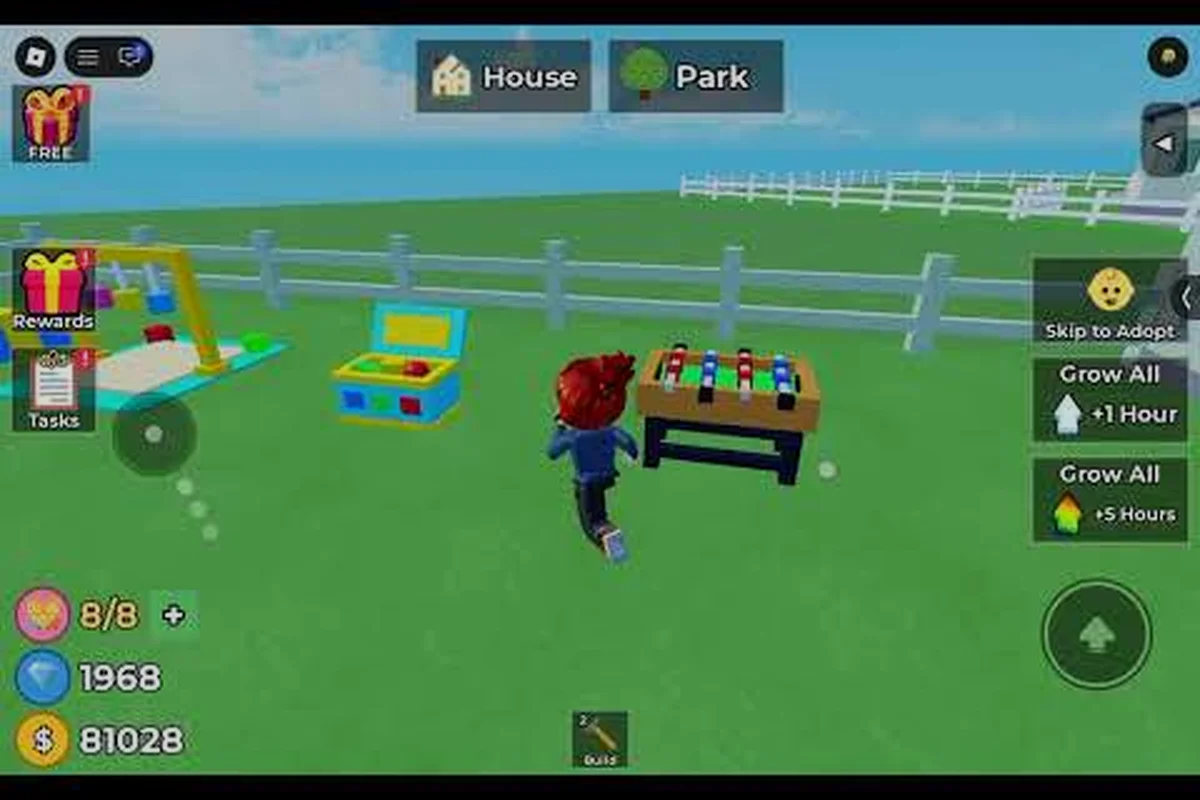
Raise The Biggest Family Children Age Offline: Daily Return Guide
Understand Raise The Biggest Family children age offline and learn why returning each day to show love helps children age while you are away.
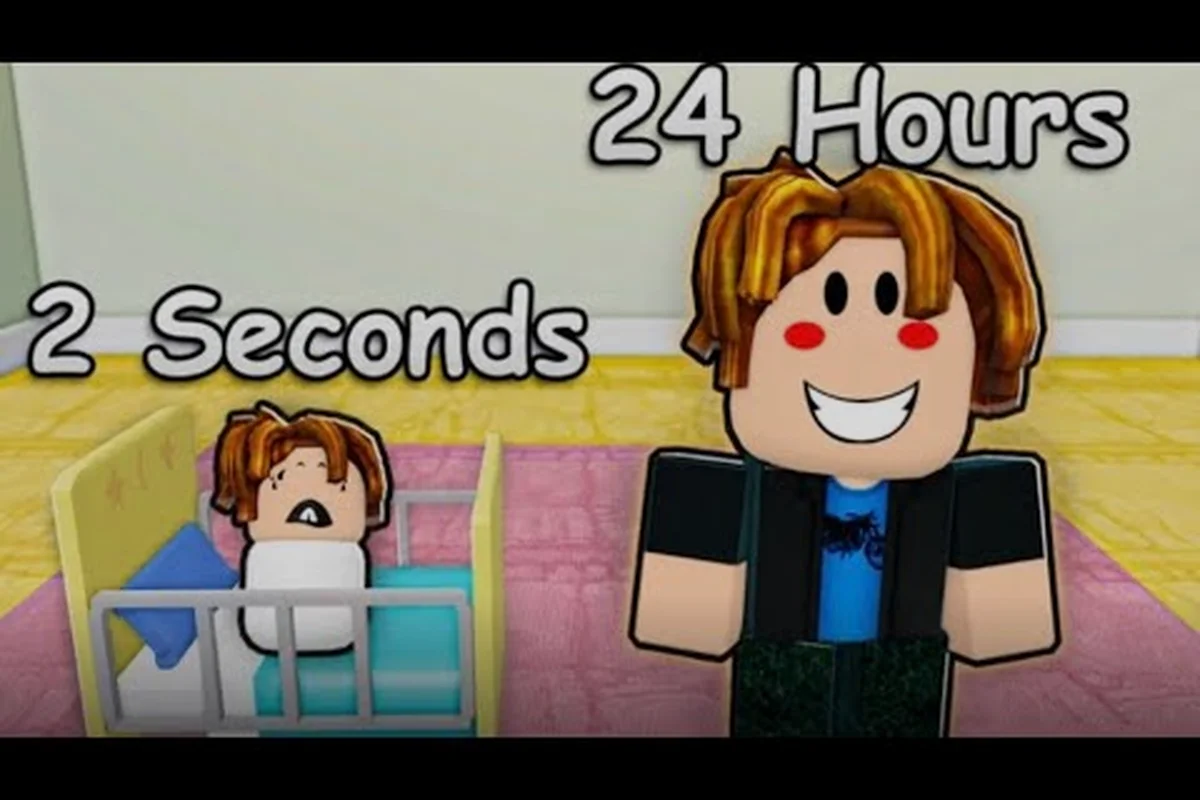
Raise The Biggest Family Growth Requirements: Three Key Factors
Learn Raise The Biggest Family growth requirements and how feeding, affection, daily visits, and offline aging shape each child’s development.
Raise The Biggest Family How Aging Works: Real and Offline Growth
Learn how aging works in Raise The Biggest Family, including offline development, daily check-ins, and the care factors that influence each child.
Raise The Biggest Family Things That Affect Growth and Aging
Discover Raise The Biggest Family things that affect growth, including real-time development, offline aging, and the care factors influencing each child.